Getting there and what to expect
Kanda Myojin show: how to get there
Where the samurai show sits on the shrine grounds, which stations are closest, what to leave at the lockers and what to know before you arrive.
Book the samurai night ↗Quick answer
The show is in the basement of the Kanda Myojin Cultural Exchange Center, called EDOCCO, on the shrine's grounds in Chiyoda. The nearest stations are Ochanomizu, Shin-Ochanomizu and Suehirocho, each about five minutes on foot, with Akihabara about seven. There is no parking for the show, coin lockers are available, and latecomers may be asked to wait in the lobby, so arrive in good time.
Walking times to the shrine grounds
| Station | Line and exit | On foot |
|---|---|---|
| Ochanomizu | JR, Hijiribashi Exit | About 5 min |
| Ochanomizu | Marunouchi, Exit 1 | About 5 min |
| Shin-Ochanomizu | Chiyoda, Exit B1 | About 5 min |
| Suehirocho | Ginza | About 5 min |
| Akihabara | JR, Electric Town Exit | About 7 min |
Where the show is
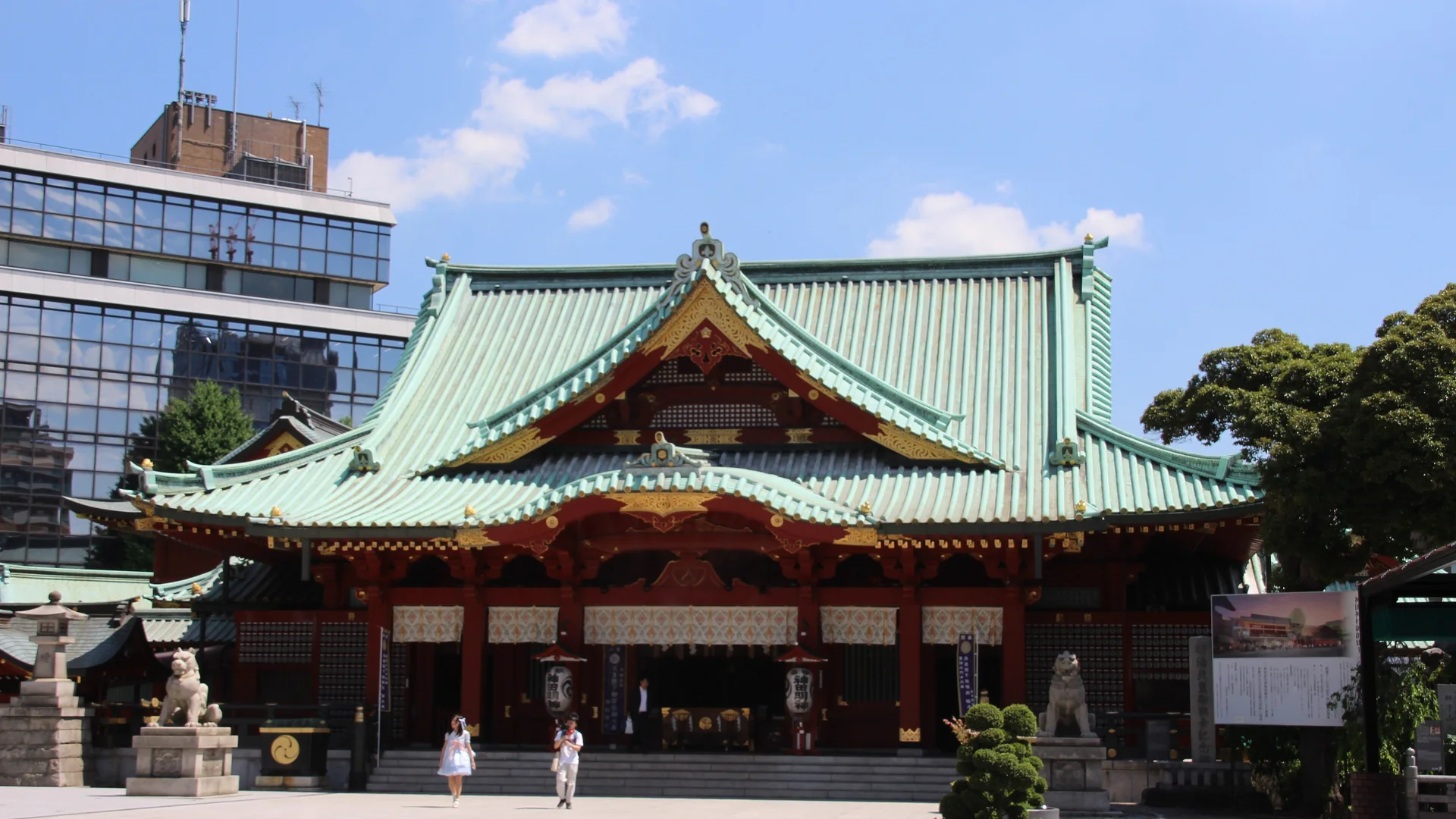
The performance is staged on the basement floor of the Kanda Myojin Cultural Exchange Center, known as EDOCCO, at 2-16-2 Soto-Kanda, Chiyoda. The building stands on the shrine's grounds and was completed in December 2018, replacing a red-wood side building. The shrine itself, which says it was first built about 1,300 years ago and moved to its present site in 1616, shares the grounds. The show is not the shrine's worship, but a separate production on the same site, run by its own company. You walk onto shrine land to reach it, so treat the approach the way you would any shrine path: quietly, and without blocking the way for people who have come to pray.
Closest stations
Five stations serve the grounds, and the show's access page and the shrine's own page give the same walking times. Ochanomizu comes first, with the JR Hijiribashi Exit and the Marunouchi Line's Exit 1 each about five minutes away. Shin-Ochanomizu on the Chiyoda Line, using Exit B1, and Suehirocho on the Ginza Line are also about five. Akihabara, on the JR lines or the Hibiya Line, is about seven minutes on foot. These are the venues' own estimates, so add a few minutes if you are carrying bags or visiting for the first time. If you plan to see Akihabara first, the seven-minute walk from its Electric Town Exit is the easiest way to arrive on foot.
Read next: Kanda and Akihabara around the show
Walking in from Ochanomizu
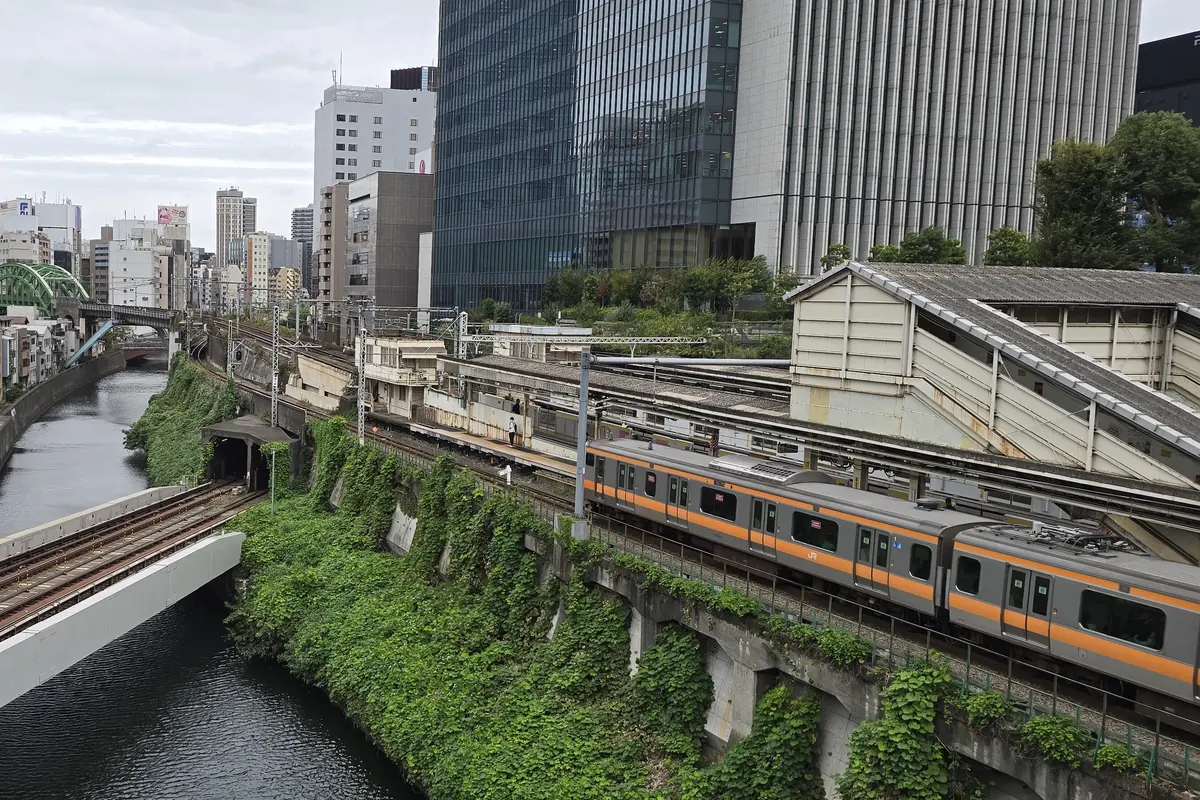
Most visitors arrive by the Hijiribashi Exit at Ochanomizu, a short walk from the shrine, and a map on your phone is enough from there. The shrine says its grounds are open, and visitors may enter by any approach, including the back path or the stone steps called Otoko-zaka, and may leave by any of them. The show's reception is in the basement of the cultural centre rather than in the main shrine hall, so follow the signs for EDOCCO once you are inside the grounds, and ask a member of staff if you are unsure which door to use.
By car, taxi or tour bus
There is no on-site parking for the show, so the show's access page asks drivers to use a nearby paid car park. The shrine keeps only a small number of spaces for worshippers, and those are not for the show. If you travel by taxi or with a group, give the shrine's address or its common name, Kanda Myojin, and expect to be set down at the shrine rather than at the basement door. Transport is not part of the ticket, so plan your trip home as well as your trip in, and settle it before the evening starts.
Arriving, lockers and luggage
The show says latecomers can still be seated, but for staging reasons you may be asked to wait in the lobby until staff can place you, so arriving before the performance begins is wise. Coin lockers are available, and items that don't fit, such as large suitcases, can be kept at the front desk. The venue is entirely non-smoking, with a designated smoking area outside the building. Outside food and drink may not be brought in, and the booking page lists cameras among prohibited items, so travel light and keep your phone in a pocket during the performance.
What to wear and what to expect at the table
The show's own site says it may decline entry for attire judged unsuitable, with excessive exposure and visible tattoos given as examples. Dinner guests may find a tabletop burner at their seat, which staff generally adjust. The show asks you to turn off the flame yourself when you finish a hot-pot course, and again when the performance begins. Menus change with the season, so you choose your main course at booking rather than on arrival, and anyone with allergies should say so to the organiser beforehand.
- Come in comfortable clothes you would wear to a restaurant
- Leave suitcases at your hotel, or use the lockers or front desk
- Tell the organiser about allergies before the evening
How long to allow
The ticket is a block of about three hours, covering dinner or drinks as well as the performance. Start times differ from date to date. Each one is listed in the calendar and repeated in your confirmation. Food and drink service ends before the performance begins, so arriving at the start of the evening matters most for dinner guests, who need time to eat. The show's booking page adds that start times may shift slightly on the day, so keep a little slack in your plans. Treat the whole evening as one unit and leave nothing important for the hour either side of it, especially if you are travelling on to another part of the city afterwards.
Language, children and access
English-speaking staff are on duty, and the show's booking page is available in English, so you can arrange the evening without Japanese. The production has no dialogue to follow. On the show's own site, children aged five and under may sit free on a guardian's lap, and a child fare applies if a seat is needed, but check the terms on your own booking. Wheelchair access is marked for the ticket, and the show's site asks guests who use wheelchairs to contact it ahead about seating and routes, because both depend on the layout of the room.
The shrine around the show
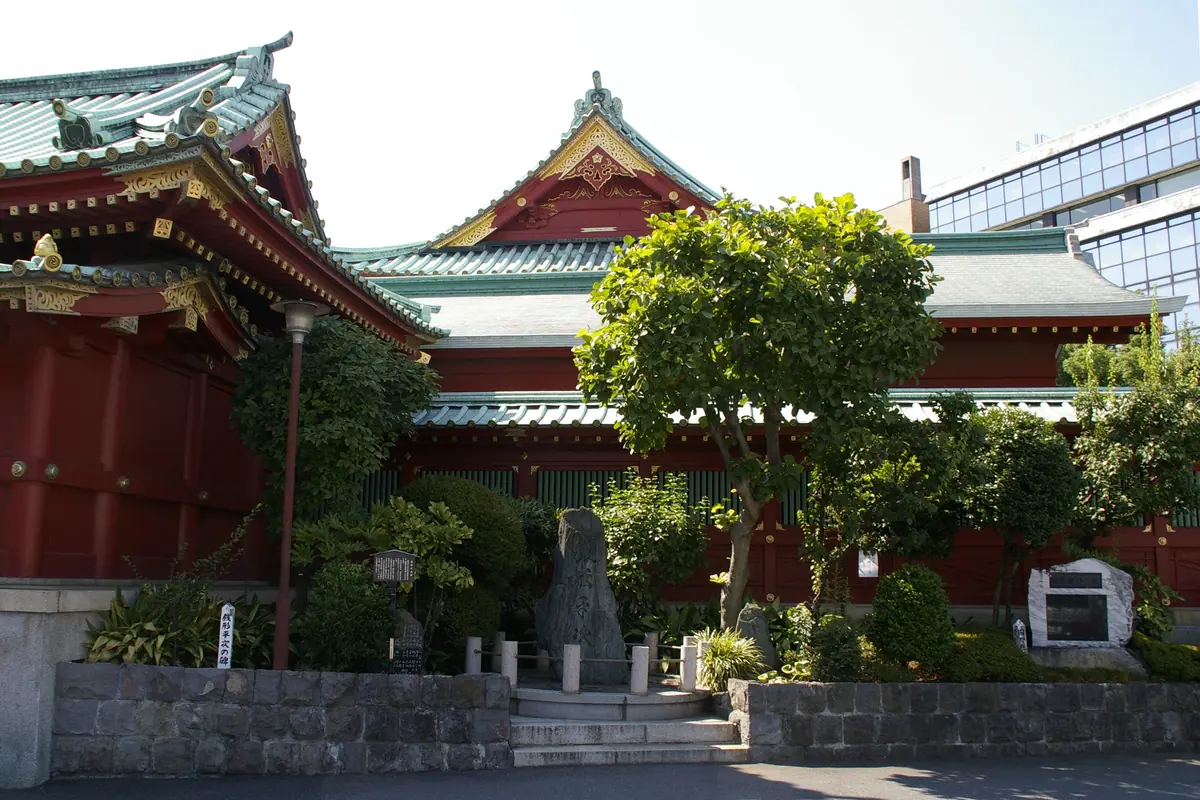
Arrive early and look around, because entry to the grounds is open. The shrine's map marks a monument to Zenigata Heiji, a fictional Edo-period constable, shaped like an old Kan'ei Tsuho coin, a strength stone once used by young men to test themselves, and a large stone figure of Daikoku, which the shrine calls the largest in Japan in stone. Please remember it is a place of worship, and keep your voice down near the main hall. The guide to the shrine covers the manners the shrine itself asks of visitors, from the water basin to the wish plates.
Read next: Kanda Myojin: history and manners
Who this isn't for
If you need step-free routes, confirm them with the show before you travel, because seating and access depend on the layout of the room. If you have only a short window free, skip this one: the ticket is a block of about three hours. If you want a long wander through Akihabara as well, book the show first and fit the rest of the night around it, because the ticket is the fixed point of the evening and the sightseeing is the flexible part. The booking calendar shows start times, and your confirmation repeats them.
Frequently asked questions
Which station is closest to the show?
Ochanomizu, Shin-Ochanomizu and Suehirocho are each about five minutes on foot, and Akihabara is about seven. The show's access page lists the exits, including Hijiribashi at JR Ochanomizu and Exit B1 at Shin-Ochanomizu.
Where exactly is the show?
On the basement floor of the Kanda Myojin Cultural Exchange Center, called EDOCCO, at 2-16-2 Soto-Kanda, Chiyoda, on the shrine's grounds. Follow the signs for EDOCCO once you are inside the grounds, or ask a member of staff.
Is there parking?
Not for the show. The access page asks drivers to use a nearby paid car park. The shrine has only a few spaces, and they are meant for worshippers, so a train or taxi is the easier way to arrive.
Can I leave my luggage?
Coin lockers are available, and larger items such as suitcases can be kept at the front desk. Leaving big bags at your hotel is simpler.
What if I arrive late?
You can still be seated, but you may be asked to wait in the lobby until staff can place you without disturbing the performance.
Is the venue smoke-free?
Yes. The whole venue is non-smoking, and there is a designated smoking area outside the building.
Sources